
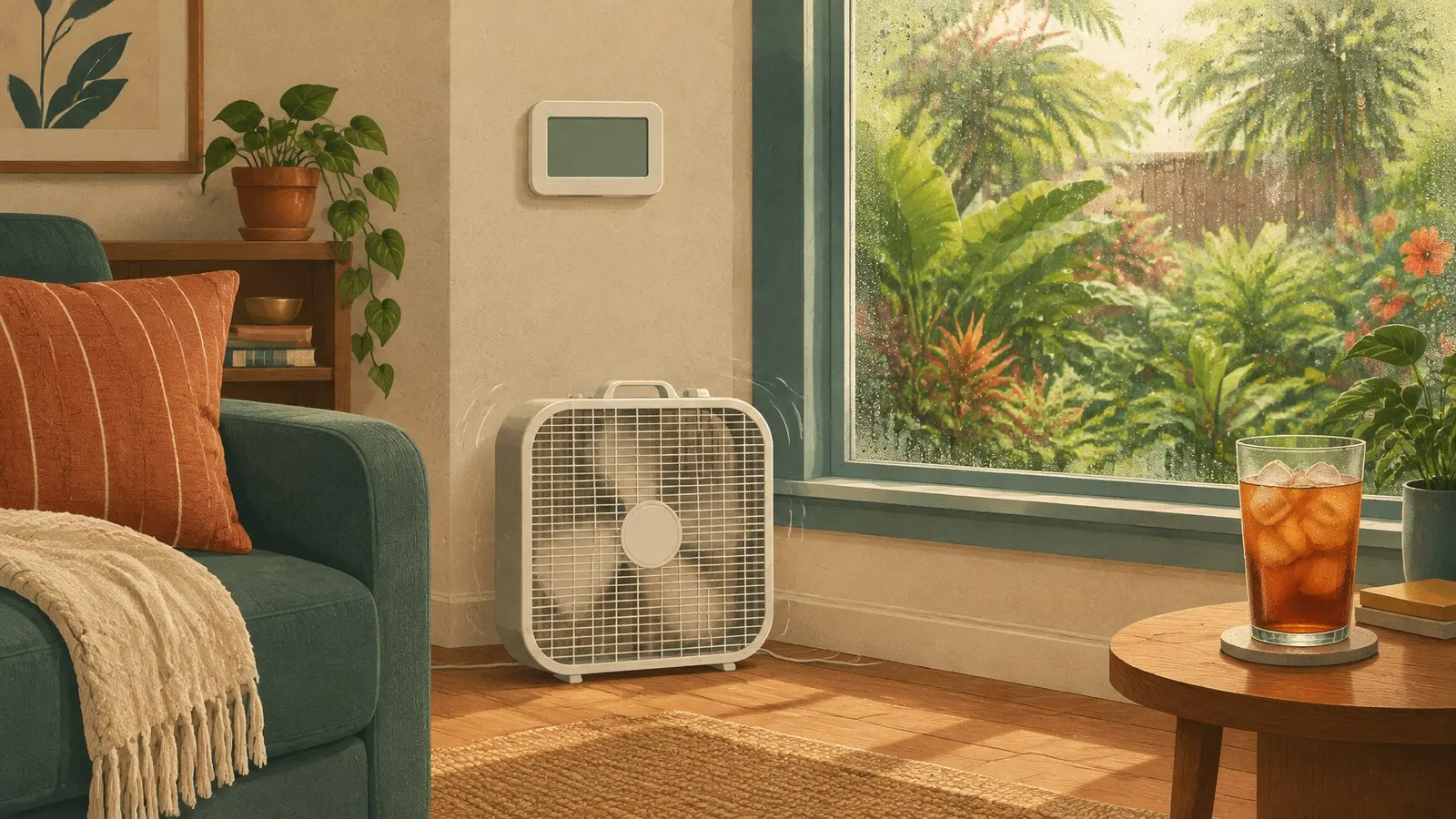
Humidity & Moisture Problems
Humidity problems in Lake Charles homes
The thermostat says 74 but the house feels sticky, closets smell musty and the supply vents sweat. Call and you are connected with an independent HVAC contractor who can look at why.
Ring the number and the call is routed to an independent heating and cooling company that covers your street. Whether you hire it is up to you.
Call (337) 429-1077
Lake Charles summers are humid as well as hot. A central air conditioner removes moisture as air passes over its cold indoor coil, and that water runs out through the condensate drain. If the system is oversized, short-cycles, moves too much air or has leaky return ducts pulling in attic air, it cools the house without drying it.
Fixes range from simple to substantial: correcting the blower speed, sealing return leaks, replacing a thermostat with one that manages humidity, moving to variable-speed equipment or adding a whole-home dehumidifier. The right answer depends on measurements, so it is worth having the system looked at rather than buying a stand-alone unit for every room.
Start here
Signs the house is holding too much moisture
- Clammy, cold-but-damp feel with the AC running.
- Condensation on supply vents, windows or the air handler cabinet.
- Musty smells in closets or near the return grille.
- The AC runs in short bursts and shuts off quickly on mild, muggy days.
- A cheap hygrometer reading above about 60% indoors for long periods.
The inspection
What gets checked
Equipment size
An oversized system short-cycles and leaves moisture behind.
Airflow and blower speed
Too much air across the coil cools without drying.
Return leaks
Leaky returns in the attic pull in hot, wet air.
Thermostat and controls
Some thermostats can run the system longer at lower fan speed to dry the air.
Whole-home dehumidifier
A ducted dehumidifier works alongside the AC on mild, humid days.
Condensate drain
If water can't get out, it can't leave the house.
Price ranges
Budgeting for humidity & moisture problems
Figures to help you plan. Your price comes from the contractor after the system has been seen.
| Work | Typical planning range | Depends on |
|---|---|---|
| Airflow and humidity check during a service visit | $90 – $250 | What is measured and adjusted |
| Thermostat with humidity control, installed | $250 – $600 | Model, wiring changes |
| Whole-home ducted dehumidifier, installed | $1,800 – $3,500 | Capacity, duct connection, drain |
| Return duct sealing | $300 – $1,200 | Access, extent of leaks |
Use these figures to plan, not to budget to the dollar. They are typical planning ranges, not quotes, local averages or price guarantees. Only the contractor can price your job, after looking at the equipment: size, refrigerant, access, parts and anything found on the visit all shift the number. More ranges are in the price guide.
Deciding
If mould or water is involved
An HVAC contractor can find and fix why the house is damp. If you see mould growth on surfaces or in the ductwork, ask whether a separate specialist is needed. Persistent leaks from the air handler should be stopped quickly to protect ceilings and insulation.
Some humidity problems are built in at installation. If your system is new and the house is still damp, call the installer first.
FAQ
Homeowners also ask
What humidity level is comfortable indoors?
Many guides suggest keeping indoor relative humidity below about 60%, and somewhere between 40% and 55% is comfortable for most people in summer. A simple hygrometer shows where you are.
Will a bigger AC fix a damp house?
Usually the opposite. A larger system cools faster, runs in shorter cycles and removes less moisture. Ask for a load calculation before upsizing.
Should I set the fan to On instead of Auto?
In humid climates, leaving the fan on continuously can blow moisture from a wet coil back into the house. Auto is often the better setting; the contractor can advise for your system.
More services
Related problems
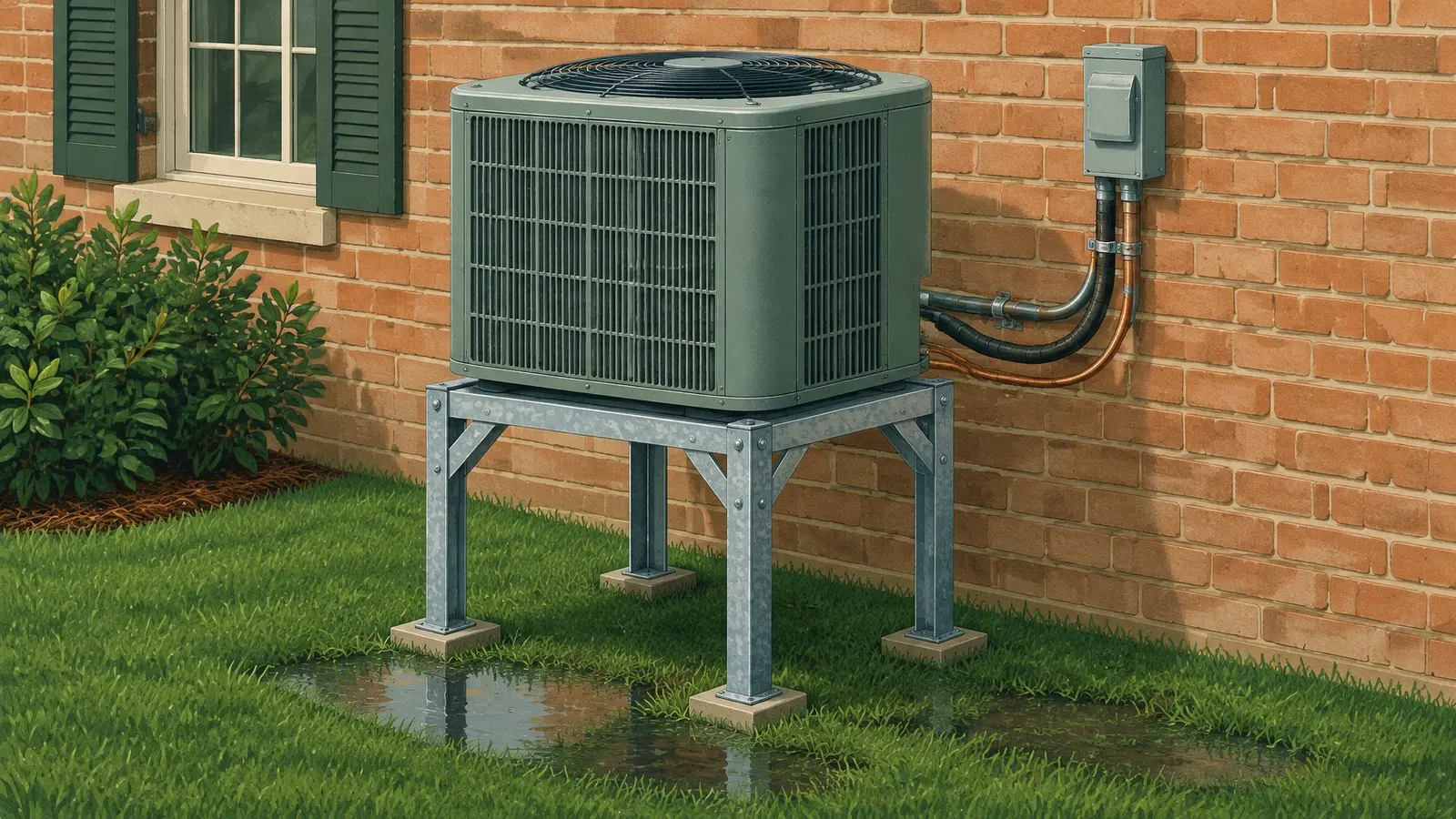
AC Repair
Not cooling, blowing warm, iced-up lines or a breaker that keeps tripping.
Read more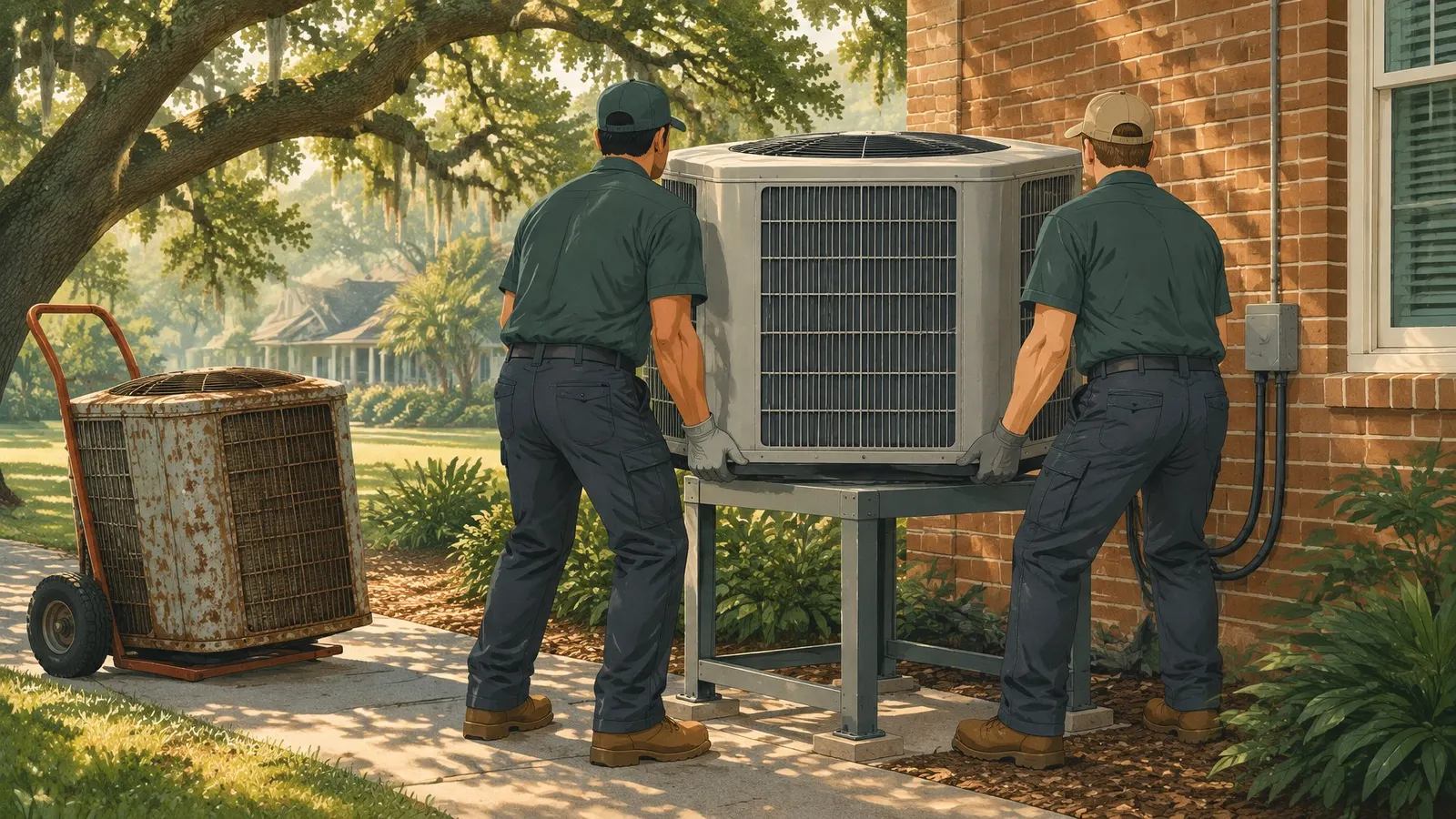
AC Installation & Replacement
Sizing, choosing and installing a new central AC, heat pump or mini-split.
Read more
Heat Pump Repair & Replacement
No heat on a cold night, constant defrosting, or a heat pump that won't switch modes.
Read more
Attic Ductwork Repair
Weak airflow, hot rooms, sweating or crushed ducts, and duct joints pulled apart.
Read more
Storm & Hurricane AC Checks
After a storm: a unit that was flooded, hit by debris, knocked off its stand or won't restart.
Read moreAC Maintenance & Drain Lines
Spring check-ups, clogged condensate drains, dirty coils and tripped float switches.
Read more
Phone line
Get the system looked at
Lake Charles, Sulphur and Westlake homeowners can use this number to reach an independent heating and cooling company. Mention the age of the system and anything you noticed before it stopped; it helps the technician.